
The Myth of The Whisper Man
The Whisper ManThis flow traces how a local criminal becomes a cultural legend, a psychological template, and finally a source of new violence.
increasing Bearing strength in each event
 decreasing
Bearing strength in each eventdecreasingA Name Is Born
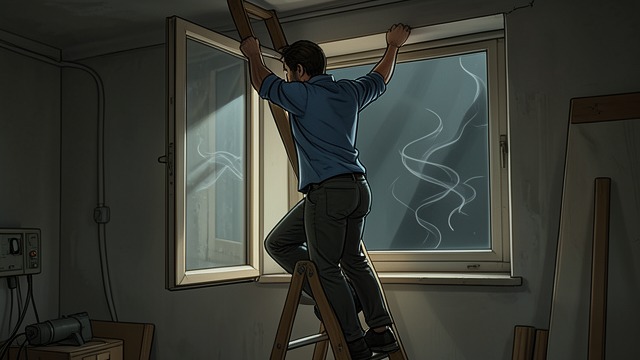
A Name Is Born
The First Whisper
Roger Hill reports whispers outside his window before disappearing. Frank Carter’s connection to the scaffolding at the house gives police their first meaningful lead.
Public Mythology
The press names Carter The Whisper Man. The title turns an individual murderer into a story that can circulate beyond the original crimes.
Unintended Power
The name frightens children and preserves Carter’s notoriety. Pete Willis dislikes the title because it grants the killer a legend instead of leaving him as a criminal.
The Rhyme Spreads
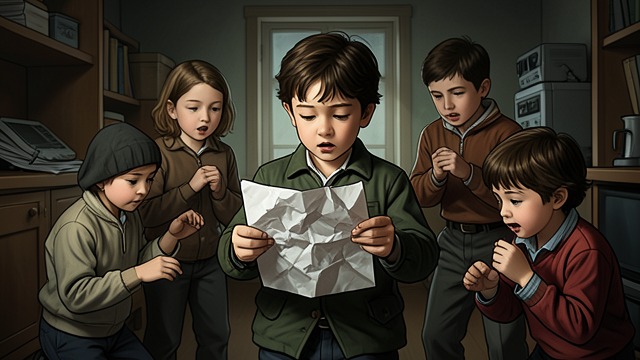
The Rhyme Spreads
Playground Transmission
Children repeat the Whisper Man rhyme without necessarily knowing its origin. The words travel through memory, turning history into folklore.
Rebecca’s Copy
Rebecca writes the rhyme down as a girl. Decades later, the page enters the Packet of Special Things and reaches Jake.
Meaning Recovered
Jake understands the rhyme as a warning while Tom initially hears only childish superstition. The transmission shows how cultural memory can outlive factual knowledge.
The Myth Weaponized
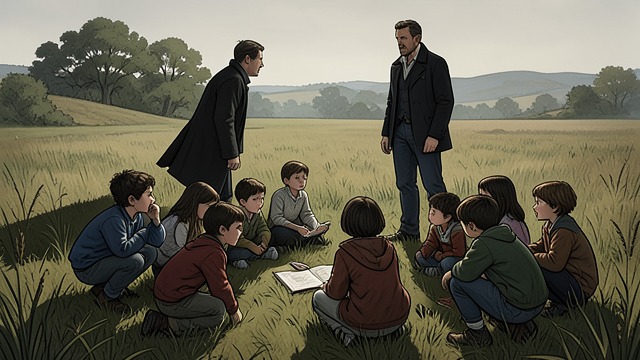
The Myth Weaponized
Imitation
Francis Carter adopts the symbols and atmosphere associated with Frank Carter. He does not merely repeat crimes; he uses the established legend to frame his own attempt at rescue.
A New Meaning
For Francis, the myth is bound to paternal hatred and childhood trauma. For the public, it is a warning about an external monster.
Continuing Fear
The legend allows Francis to approach children through stories that already frighten them. Cultural memory becomes a tool in the hands of the next offender.
Twenty years ago
Rebecca’s childhood in Featherbank
During Neil’s captivity
